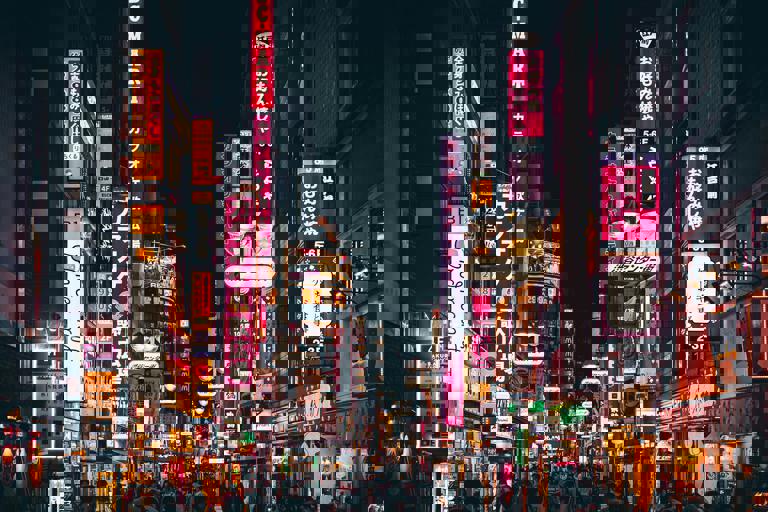
As dusk falls over the city, a soft electric hum draws crowds to a relatively unremarkable street corner. Here, the city’s final neon sign—its luminous tubing bending into bold, looping letters—illuminates the pavement with a nostalgic glow. Once commonplace across Britain’s urban landscape, neon signage has become a rarity, prompting locals and tourists alike to stand in awe, cameras at the ready, to capture a fading slice of city history.
The sign’s warm, flickering lights have become more than a mere advertisement—they're now a symbol of remembrance for an era when such beacons guided night owls, late-shift workers, and revelers through city streets. With fewer neon signs remaining, many find themselves reminiscing about a time when every high street shimmered with luminous color, creating a vibrant tapestry after dark that defined city nightlife.
Amanda Grace, a local historian, describes neon signs as 'the heartbeat of our city's golden decades—equal parts art and advertisement.' She explains that these glowing fixtures once charted an entire urban geography. ‘You could spot your favorite café, jazz bar, or theater from blocks away, thanks to their unique neon signatures,’ she recalls. Their disappearance, she suggests, signals a profound cultural shift.
The impending removal of this last sign has spurred a surge of nostalgia and artistic interest. Community groups have organized evening gatherings, offering guided walks and talks about the legacy of neon in the city. Artists, too, are quickly sketching or photographing the sign, eager to conserve its image as a piece of public art worth preserving, even if only digitally or on canvas.
Business owners in the area, especially those whose establishments have outlasted the neon age, share mixed feelings. Peter Stallard, who runs a bakery beneath the sign, appreciates its allure, noting that it ‘brings in more foot traffic at night than any social media campaign ever could.’ Yet, he admits challenges posed by the sign’s deteriorating state and rising electricity bills, which contributed to the decision to dim it permanently.
The shift from neon to LED and other modern lighting technologies is driven by both economic and environmental concerns. LEDs consume up to 80% less energy than traditional neon tubes, making them a greener and more cost-effective option for city councils and businesses. Still, many argue that LED’s cold, efficient glow lacks the charm and character of handmade neon, which was crafted by skilled artisans using noble gases and molten glass.
Urban planners contend that city landscapes must inevitably evolve. ‘It’s natural for visual culture to change with technology and taste,’ says Sophie Mohan, an urban designer. However, she acknowledges that eliminating all traces of neon means erasing physical reminders of decades past—an act that can, paradoxically, deepen collective longing for what once was and foster a passion for preservation among younger generations.
Statistics reflect a rapid decline: according to a 2022 survey by the National Sign Association, less than 5% of illuminated signs in the UK’s major cities are now neon. In their place, backlit plastic and digital screens have proliferated, prioritising efficiency and visibility. Yet, a growing 'neon nostalgia' movement has emerged, with campaigns on social media calling for a moratorium on further neon removals and even suggesting designated heritage status.
The memories attached to neon stretch far beyond aesthetics. For many, they recall celebratory evenings and city rituals under neon-lit skies—first dates, late-night kebab runs, or simply the comforting reassurance of a well-lit path home. Some older residents share stories of neon-lit streets serving as landmarks in a pre-digital world, helping people orient themselves before smartphones made navigation instantaneous.
City authorities, aware of the public sentiment, have initiated discussions about how to honor neon’s cultural legacy. Proposals range from relocating the sign to a museum, installing a virtual replica accessible via smartphone apps, or launching educational programs about the history of sign-making and urban nightlife. While none of these solutions can fully replace the original experience, they aim to keep the memory burning bright in the city’s collective consciousness.
As the day approaches when the city’s last neon sign will dim for good, the mood on the corner is bittersweet. Admirers linger until the early hours, some quietly reflecting on personal memories, others swapping stories with strangers united by a shared sense of loss. Neon’s time may be passing, but its glow—real or remembered—has sparked a renewed appreciation for the unique character it gave city nights, ensuring its legacy endures in more than just photographs.