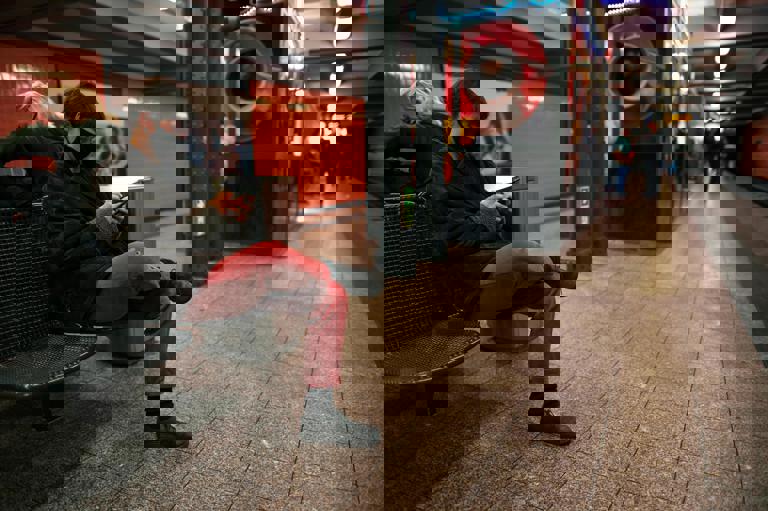
The daily ritual of commuting has recently undergone a charming transformation, thanks to an inventive initiative called the Pop-Up Book Swap. Train carriages, once filled with silent commuters absorbed in their own worlds, are now brimming with the shared joy of literature. This project invites passengers to leave a book behind or pick one up, igniting curiosity and conversation among an otherwise reserved crowd.
The Pop-Up Book Swap is as simple as it sounds: passengers bring a book they’ve finished reading and leave it on a specially designated shelf or seat within the train carriage. In return, they are welcome to take a book that captures their interest. This system is built entirely on trust, relying on the goodwill of commuters to keep the initiative thriving and continuous.
Launched earlier this spring, the concept quickly caught the imagination of thousands. Organisers say participation has exceeded their expectations, with shelves replenished several times daily. ‘We never anticipated such overwhelming enthusiasm,’ said project coordinator Amelia Foster. ‘It’s heartwarming to see people connecting over shared stories instead of just staring at their screens, especially during busy rush hours.’
Commuters have responded with surprising zeal, transforming the traditionally private realm of public transport into a communal space. ‘I discovered a novel by a local author that I’d never heard of before,’ said Marcus, a regular morning commuter. ‘It was such a different experience from scrolling through my phone—it made the journey feel a bit less mundane and more meaningful.’
Stations have started providing clearly marked baskets or shelves near boarding points, ensuring the exchange process is orderly and accessible. These additions have been discreet but effective, allowing for seamless integration into daily routines. Railway officials note that littering or vandalism concerns have been minimal, thanks to strong support from both the community and regular riders.
In an age increasingly dominated by digital media, print books may seem quaint, but their tactile appeal remains irresistible for many. The Pop-Up Book Swap taps into a collective nostalgia for turning physical pages and sharing dog-eared stories. For some riders, it’s a welcome reprieve from smartphones and laptops, offering a rare moment of analog pleasure amid life’s digital hustle.
There are practical advantages, too. For cash-strapped students or avid readers on a budget, the swap presents a cost-effective way to access a rotating library of titles. ‘I read about three books a week, and this project has helped me discover new genres without spending a fortune,’ commented local university student Priya Singh, expressing gratitude for the initiative’s inclusive model.
The variety of books exchanged is striking. Everything from classic literature and contemporary bestsellers to niche hobby guides and children’s stories has made its way into the swap. Organisers say this diversity reflects the eclectic tastes of the community, and each book comes with a sense of its previous reader—sometimes accompanied by thoughtful notes or personal recommendations tucked inside the covers.
Participating commuters occasionally leave anonymous messages with the books, turning the exchange into an ongoing conversation. These notes range from reflections on favorite passages to simple encouragement for the next reader. ‘It’s like a treasure hunt. Every book holds the potential for a pleasant surprise,’ said Hannah Carter, who credits the swap with reigniting her passion for reading during her commute.
Educators and literacy advocates applaud the project as a creative way to promote reading for pleasure. The initiative dovetails with recent statistics showing that adults are reading fewer books than ever. According to a National Literacy Trust survey, over a third of adults in the UK have not finished a book in the past year. The Pop-Up Book Swap aims to help reverse that trend, making books more visible and accessible.
Railway staff have also noticed a positive shift in commuter behaviour. Conductors report more frequent instances of passengers engaging in light-hearted conversation about what they’re reading. ‘There’s less tension during delays, too,’ notes conductor Stephen Matthews. ‘Now, people discuss books instead of getting frustrated over a few extra minutes on the platform.’
Though the initiative is currently an informal, grassroots programme, there are plans to formalise and expand its reach. ‘We are in talks with local libraries about partnerships, and considering themed book weeks,’ shared Foster. ‘Eventually, we hope to see this model adopted on other transport networks, spreading the love of reading even further throughout the country.’
While some challenges remain, like ensuring book supplies keep pace with demand and preventing the swap from becoming a dumping ground for unwanted items, feedback overall has been overwhelmingly positive. The Pop-Up Book Swap is proof that creative, community-driven projects can transform public spaces, turning even the most routine train ride into a literary adventure that connects strangers one story at a time.